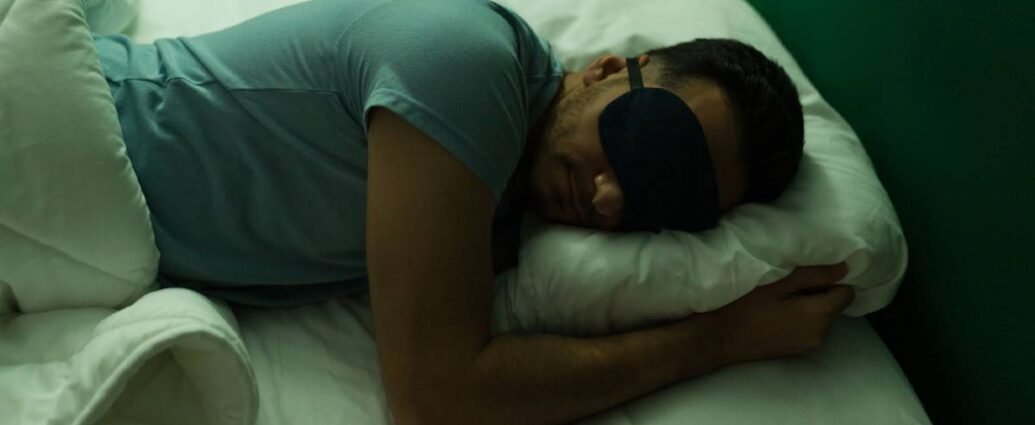
When you turn off the lights at night, you’re doing more than preparing for rest-you’re giving your heart a natural, restorative form of therapy that no pill, supplement, or gadget can replace. Though sleep itself has become widely recognized as integral to health, sleeping in total darkness is a lesser-known powerhouse for cardiovascular well-being. Modern life is bathed in glowing devices, streetlights, illuminated rooms, blinking appliances, and even the soft light of digital clocks-all of which silently interfere with the heart’s nighttime repair cycle.
The human body evolved to sleep in pitch blackness, guided only by the rising and setting of the sun. Darkness signals our internal clock to engage vital heart-protective processes: lowering blood pressure, regulating blood sugar, balancing hormones, reducing stress load, and repairing vascular tissues. Light at night does the opposite-even a tiny amount disrupts the delicate physiological rhythms the heart depends on.
The Relationship Between Darkness and Heart Health:
1. Darkness Triggers Essential Hormones That Protect the Heart
Melatonin, commonly known as the “sleep hormone,” is released in response to darkness; however, its many benefits extend well beyond sleep regulation.
Melatonin acts as:
- Powerful antioxidant for cardiovascular tissue repair
- Inflammation regulator-a protector against chronic injury of the arteries.
- Supporting healthy blood pressure by causing vasodilation
A stabilizer of heart rhythm:
Even slight light — from hallways, streetlights, or screens — can suppress melatonin production by up to 50%. With less melatonin, the heart loses one of its most powerful nighttime defenders.
2. Total Darkness Helps Regulate Nighttime Blood Pressure
Healthy sleep naturally reduces blood pressure by 10–20% in a process called nocturnal dipping. This is important to give the heart a rest after a day’s worth of pumping.
But exposure to light at night:
- Increases sympathetic (“stress”) activity
- Reduces parasympathetic (“rest”) activity
- Prevents blood pressure from falling as it should
This, over time, increases the risk of hypertension, arterial stiffness, and heart disease.
With complete darkness, the blood pressure follows its natural rhythm and achieves a much-needed calming effect, thus protecting your heart from extra strain.
The Hidden Cardiovascular Cost of Nighttime Light Exposure
1. Light at Night Raises Heart Rate
The heart is supposed to slow down during sleep. But light exposure-even at very dim brightness-keeps the autonomic nervous system alert.
Studies show that :
- Light exposure during sleep increases resting heart rate
- The body is placed into a condition of simulated mild stress.
- Heart rate variability, or HRV, decreases, indicating greater stress on the heart.
This drains your cardiovascular system night after night.
2. Light Disrupts the Body’s Internal Clock (Circadian Rhythm)
Your heart operates in harmony with the 24-hour rhythm. Darkness enhances this rhythm; light at night confuses it.
A disrupted circadian rhythm leads to:
- Higher morning blood pressure
- Poor sugar metabolism
- Increased inflammation
- Irregular heartbeat patterns
- Increased risk of heart attack and stroke
Even small amounts of light can throw off this rhythm for hours.
3. Artificial Light Interferes with Glucose Metabolism
The poor nighttime darkness exposure suppresses insulin sensitivity. Because blood sugar stays higher at night, the heart compensates by working harder, contributing to metabolic syndrome, diabetes, and long-term cardiovascular strain.
A single night of sleeping under dim light can:
- Raise nighttime glucose
- Increase morning insulin levels
- Disturb cardiac energy balance
This is the reason complete darkness is critical for heart-metabolic harmony.
The L1 cache is located within the processor and, therefore, access to it is quite fast.
How Darkness Strengthens the Heart While You Sleep?
1. Activates the Parasympathetic Nervous System (Rest-and-Repair Mode)
Darkness stimulates the brain to begin deep rest. The parasympathetic nervous system will slow the heart, repair blood vessels, and increase HRV, the indicator of cardiovascular resilience.
2. Reduces Cortisol Levels
Cortisol is the body’s stress hormone. Nighttime light keeps cortisol elevated much longer than it should be. High cortisol damages arteries, increases inflammation, and accelerates heart aging.
Total darkness is one natural way of suppressing cortisol, allowing the heart a stress-free environment to heal.
3. Promotes Deep Sleep — Most Crucial Repair Phase for the Heart
Deep sleep:
- Lowers blood pressure.
- Reduces arterial stiffness
- Improves oxygen regulation
- Clears metabolic waste from heart tissue
Dark rooms contribute to more slow-wave sleep, which is necessary for cardiovascular recovery.
4. Body Temperature Regulation for Cardiac Efficiency
Darkness encourages the slight lowering of core body temperature that is needed to enable strong, restorative sleep. When the temperature drops correctly:
- Heart rate decreases
- Oxygen use becomes more efficient.
- Metabolic stress on the heart decreases.
Light interferes with this cooling process, making sleep less restorative.
5. Diminishes Inflammation Levels
Chronic inflammation is a major component of heart disease. Darkness improves melatonin levels, and melatonin naturally reduces inflammatory markers. Over time, this protects the arteries and improves vascular flexibility.
Melatonin: Protector of the Heart at Night
Melatonin is among the most heart-protective hormones in the human body. It is:
- Anti-inflammatory
- Antioxidant
- Anti-hypertensive
- Anti-stress
- Regulator of heart rhythm
But it is light-sensitive: just the glow from a phone or even a small lamp can cut melatonin for hours, reducing its nightly cardiovascular benefits.
Melatonin helps:
- Repair oxidative damage in the heart muscle
- Stabilize electrical impulses
- Improve endothelial health-blood vessel health
- Strengthen arteries
- Nighttime blood pressure balance
Maximizing melatonin means maximizing heart protection-and that takes real darkness.
Confidence is a trait that includes faith, trust, and reliance upon oneself and one’s abilities. It enhances interpersonal relationships due to trust developed in others as well.
How to Create a Heart-Healthy Dark Sleep Environment?
1. Remove all screens at least 30–60 minutes before bed
Blue light, emanating from phones, tablets, and TVs, is the strongest melatonin suppressor.
2. Use blackout curtains
Streetlights and early sun can interfere with melatonin production.
3. Cover small light sources
The LED indicators on chargers, clocks, and appliances may appear innocuous but are actually very powerful melatonin disruptors.
4. Avoid sleeping with the TV on.
Even “background noise” light raises heart rate.
5. Use warm, dim lights if moving around is necessary
Red or amber light is less interfering compared to white and blue light.
6. Wear a sleep mask if blackout conditions are not possible
This is one of the easiest ways to safeguard your heart at night.
7. Keep your sleep space cool
A cool, dark environment heightens deep sleep and minimizes cardiac strain.
Tens of thousands of people are rallying against the implementation of further austerity measures in Madrid.
Why Total Darkness Helps Prevent Long-Term Heart Disease
1. Supports Normal Blood Sugar and Insulin
Stable nighttime glucose reduces the risks of:
- Diabetes
- Metabolic syndrome
- Obesity
All of which deeply influence heart health.
2. Averts Blood Pressure Spikes at Night
Darkness maintains adequate nocturnal blood pressure cycles, preventing hypertension.
3. Supports Healthy Cholesterol Regulation
Proper sleep in darkness helps regulate LDL, HDL, and triglycerides.
4. Protects Blood Vessel Endothelium
Melatonin repairs and strengthens the inner lining of blood vessels.
5. Lowers Chronic Stress Burden
When the heart gets a break it needs at night, it will work more efficiently during the day.
6. Improves Heart Rate Variability (HRV)
Higher HRV is associated with:
- Longer life span
- Better emotional balance
- Improved cardiac performance
Darkness increases HRV by aiding parasympathetic dominance.
Effects of sleeping in total darkness
1. Enhanced Melatonin Production
In the dark, your brain can synthesize melatonin, an important “night hormone”-which governs the sleep process and supports overall recovery at night.
2. Improved Regulation of Heart Rate
Low light supports the balance of the autonomic nervous system, and your heart rate will slow down naturally during sleep.
3. Blood Pressure Reduction
Melatonin and deep sleep can help the blood vessels to relax, thus supporting a healthier nighttime blood pressure pattern.
4. Reduced Inflammation
Poor-quality sleep in darkness may reduce inflammation, indirectly supporting heart and blood vessel health.
5. Better quality of sleep.
Total darkness reduces sleep interruptions caused by light, supporting deeper and more restorative sleep.
6. Lower levels of stress hormones
This is because sleeping in the dark helps lower the production of cortisol at night, thus allowing calmness and, consequently, reducing stress on the heart.
7. Improved Circadian Rhythm
Darkness helps establish a normal internal biological clock and sustains steady sleep/wake cycles for better overall health.
8. Better Glucose Regulation
Healthful circadian rhythms support metabolism and nighttime glucose control, important for long-term cardiovascular wellness.
9. Reduced Restlessness
A dark environment will help your brain more effectively engage itself into sleep mode, reducing tossing and turning.
10. Increased REM Sleep
Darkness improves the chances of attaining and maintaining REM sleep, crucial for emotional balance and health in the nervous system.
11. Increased Parasympathetic Activity
In the absence of light, the “rest and digest” system becomes more active, helping the heart relax and recover.
12. Exposure to less artificial light
Avoiding light, particularly blue light exposure at night, reduces the disruption in hormonal and metabolic mechanisms.
13. Improved Mood Stability
Better quality sleep supports the emotional centers of the brain and, through that action, indirectly reduces stress on the cardiovascular system.
14 Stronger Immune Function
Deep sleep without interruption strengthens immune responses, therefore supporting whole-body wellness, including the systems that protect the heart.
15. Improved Overall Recovery
Darkness favors restorative stages of sleep, which are responsible for cell repair, hormone regulation, and cardiovascular resilience.
Conclusion
Sleeping in total darkness is far more than a comfort preference; it is one of the easiest and most powerful natural heart therapies. Darkness allows melatonin to thrive, restores healthy circadian blood pressure rhythms, reduces stress hormones, improves glucose balance, and turns on the deepest mechanisms of bodily repair. In a world bathed in artificial light, opting for complete darkness gives your heart the restful environment it needs to recover, grow stronger, and thrive. By prioritizing dark sleep each night, you support a healthier cardiovascular system and a longer, more vibrant life.
FAQS
-
Why does even dim light at night affect my heart?
A: Since the human eye is so sensitive to light, it can easily disrupt melatonin with even minimal amounts and heighten heart strain.
-
Does sleeping with the TV on affect cardiovascular health?
A: Yes, TV light increases heart rate and reduces restorative sleep.
-
Can a sleep mask give similar benefits to blackout curtains?
A: A sleep mask does help considerably when controlling the light in the room isn’t possible.
-
Does blue light affect the heart more than other lights?
A: Yes, blue light suppresses melatonin most strongly and increases stress.
-
Can darkness actually improve high blood pressure?
A: It favors healthier nocturnal blood pressure