Modern life brings constant pressure—schoolwork, long hours of sitting, sports practices, screen time, emotional demands, and more. Over time, this stress collects in the body like layers of tension. Muscles tighten, breathing becomes shallow, posture collapses, and even simple activities can feel draining. Foam rolling, a simple and accessible technique, offers an effective way to release physical tightness and help the body feel relaxed and balanced again.
Foam rolling works through self-myofascial release (SMR), which gently massages the muscles and fascia—the network of connective tissue that wraps around muscles and organs. When fascia gets stiff or sticky due to stress, inactivity, or overuse, the body becomes tight and uncomfortable. Foam rolling reduces these restrictions, boosts blood flow, improves mobility, and provides a calming effect on the nervous system.
The 9 Foam Rolling Techniques for Instant Stress Relief
1. Upper Back Roll (Thoracic Spine Release)
Why it helps:
Stress often settles in the upper back due to studying, sitting, and scrolling on devices. This move opens the chest, improves posture, and releases tension along the spine.
How to do it:
Lie on your back and place the foam roller under your upper back.
Support your head by clasping your hands behind it or crossing your arms over your chest.
Lift your hips up a little and slowly roll from your mid-back up to your shoulder blades.
Roll for 45–60 seconds, pausing on any tender or tight spots.
Keep your lower back off the roller to protect it.
What you’ll feel:
A relieving pressure that eases stiffness between the shoulder blades and helps your chest feel more open.
2. Neck Base Roll – Suboccipital Release
Why it helps:
The base of the skull holds tension from mental stress, headaches, phone posture, and long study hours.
How to do it:
Lie on your back and place the roller under the base of your head.
Slowly tilt your head from side to side, as if saying “no”.
Hold any tight points for 20–30 seconds.
Avoid rolling onto your neck bones—keep the pressure light.
What you’ll feel:
A relaxing massage that may release built-up stress and reduce head tension.
3. Shoulder Blade Sweep (Scapular Glide)
Why it helps:
Tight shoulders make the whole upper body feel heavy. This move softens knots around the shoulder blades.
How to do it:
Lie on your back with the roller placed perpendicular to your spine.
Let your arms fall outward like a “T.”
Slowly slide your arms up and down the floor as if making snow angels.
Continue for 45–60 seconds.
What you’ll feel:
Light stretching across the chest and a smooth glide behind the shoulders.
4. Lat Roll – Side Upper Back Release
Why it helps:
The lats tighten when we slouch or carry backpacks. Rolling them improves arm movement and reduces back stiffness.
How to do it:
Lie on your side with the roller under your armpit.
Extend your bottom arm overhead.
Gently roll along the side of your rib cage and upper back.
Roll for 45–60 seconds per side.
What you’ll feel:
Deep pressure along the side of the body is good to help you free up your upper back and arms.
5. Pelvic & Lower Back Crest Roll – Gentle Version
Why it helps:
While direct pressure on the lower back is not recommended for teens, you can safely release surrounding muscles near the hip crest, which reduces tension in the lower back indirectly.
How it is done:
Sit with the roller at the top of the hips, not on the spine.
Lean slightly back with your hands behind you.
Roll slowly side to side across the muscles surrounding the hip area.
Roll for 30–45 seconds.
What you’ll feel:
Smoothes and soothes the tightness where the back and hips meet.
6. Glute & Hip Release (Piriformis Roll)
Why it helps:
The hips store a surprising amount of emotional and physical stress. This move improves posture and reduces lower-body tension.
How to do it:
Sit on the roller and cross your right ankle over your left knee.
Lean slightly toward the crossed leg.
Roll over the glute muscle gently.
Roll for 45–60 seconds per side.
What you’ll feel:
A deep stretch and massage in the glutes helps loosen stiffness from sitting or sports.
7. Hamstring Roll
Why it helps:
Tight hamstrings pull on the hips and lower back, causing full-body discomfort. Rolling them increases flexibility and reduces leg fatigue.
How to do it:
Sit with the roller under your thighs.
Place your hands behind you and lift your hips slightly.
Roll from above the knees to just under the glutes.
Roll 45–60 seconds per side or both legs at once.
What you’ll feel:
A tingling sensation of warmth up the back of your legs that seems to lighten them.
8. Quadriceps Roll (Front Thigh Release)
Why it helps:
Tight quads often create knee discomfort and add stress to the lower body. This move lengthens the front thighs and improves mobility.
How to do it:
Lie on your stomach with the roller under your thighs.
Use your forearms to support yourself.
Roll from the hip to just above the knee.
Roll for 45–60 seconds.
What you’ll feel:
A good but comforting massage in front of your legs.
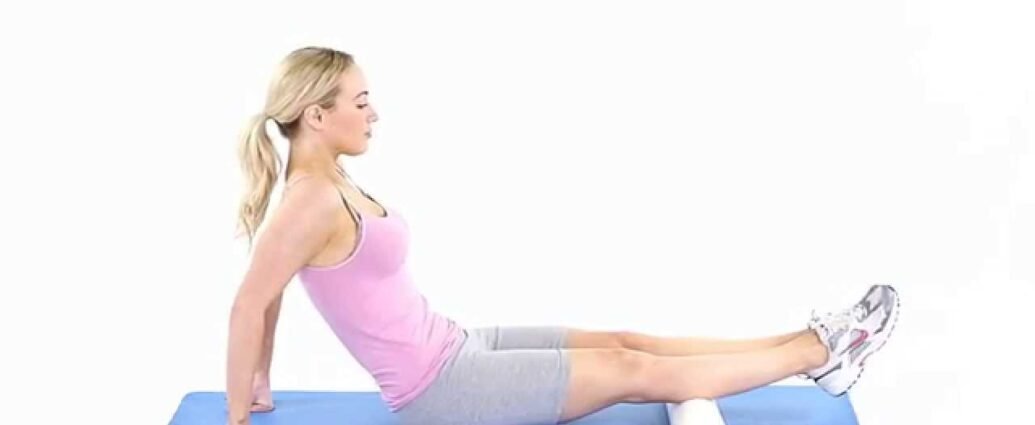
9. Calf & Achilles Roll
Why it helps:
Calf tightness affects posture, walking comfort, and even energy levels. Rolling them improves circulation and reduces foot and ankle tension.
How it is done:
Sit with your legs extended and place the roller under your calves.
Weight your body down with your hands.
Roll from ankles to knees using slow strokes.
Roll 45–60 seconds per leg.
What you’ll feel:
It releases pressure in such a way that your feet and legs are refreshed to move.
How to Use This Routine as a Full Stress Detox?
To get the most from this, try:
- Start with slow breathing
This will help relax one’s muscles, allowing for a better foam roll.
- Go slowly
Fast rolling does less for tension, while slow pressure breaks up tight spots safely.
- Dwell on sensitive areas
Hold for 15–20 seconds until the muscle softens.
- Remain soft-handed
It should be slightly uncomfortable when foam rolling, but never painful.
- Drink water afterward
Hydration helps your muscles recover.
Effects of This Total Body Stress Detox Routine:
1. Improved Muscle Flexibility and Range of Motion
Regular foam rolling helps lengthen tense muscles, making movements smoother and reducing the tightness caused by sitting, sports, or stress. Better flexibility means easier walking, bending, stretching, and performing daily activities.
2. Reduces physical stress stored in the fascia
Stress often shows up physically in the fascia, which can become stiff. Foam rolling gently loosens these layers, helping the body feel more relaxed and free.
3. Improves Blood Flow and Delivery of Nutrients
Pressure from rolling boosts blood flow, helping muscles receive oxygen and nutrients faster. This supports recovery from physical activity and reduces feelings of heaviness.
4. Promotes Better Posture and Alignment
Tight muscles pull the body out of balance. Rolling the upper back, shoulders, hips, and legs helps realign posture, reducing slouching and discomfort.
5. Reduces Soreness from School Sports or Exercise
Foam rolling eases muscle tightness after physical activities like running, dancing, basketball, or workouts. This helps muscles recover more comfortably.
6. Supports Stress Reduction Through Nervous System Relaxation
Slow rolling activates the body’s relaxation response. It lowers tension, helps calm the mind, and encourages deeper breathing.
7. Relieves Tension of Long Study or Screen Sessions
Rolling counters the effects of hunching over books or devices, easing stiffness in the neck, shoulders, and back.
8. Enhances body awareness and mind-body connection
You become more aware of where you hold stress. This awareness encourages better posture and self-care habits.
9. It helps improve sleep quality.
Relaxing the muscles and calming the body with foam rolling before bed can contribute to a more restful sleep.
10. Replenishes Energy by Releasing Built-Up Tension
When muscles are tight, the body feels heavy and tired. Rolling refreshes the muscles, increasing your sense of lightness and energy.
Conclusion
Foam rolling is one of the most effective and accessible ways to release stress stored in your body. By using these 9 targeted moves, you can loosen tight muscles, improve posture, calm your nervous system, and restore physical comfort. Whether stress comes from schoolwork, sports, or everyday activities, foam rolling provides a simple routine you can rely on anytime. With gentle pressure, slow breathing, and consistent practice, your body becomes more flexible, relaxed, and energized. This total body stress detox is a powerful step toward feeling healthier inside and out.
FAQS
-
Is it safe for teenagers?
Yes, foam rolling is safe for teenagers when done gently. It’s a healthy way to release muscle tension from school, sports, or daily stress. The key is to avoid rolling directly over bones or applying extreme pressure.
-
How often should I do this 9-move stress detox routine?
You can do it 3–5 times a week or use individual moves anytime a specific body part feels tight. Even 10–15 minutes can make a noticeable difference.
-
Does foam rolling hurt?
It may feel slightly uncomfortable on tight muscles, but it should never feel sharply painful. The discomfort should decrease as the muscle relaxes.
-
Can foam rolling replace stretching?
Foam rolling and stretching complement each other. Rolling softens the muscles, while stretching lengthens them. Doing both gives the best stress and mobility benefits.
-
How long does it take to start feeling results?
Many people feel looser and more relaxed immediately. With regular practice over weeks, posture improves, stress decreases, and body flexibility increases.
-
Do I need an expensive foam roller?
No, a simple, medium-density foam roller works perfectly. Softer rollers are gentler for beginners.
-
Can I foam roll before or after workouts?
Yes, before workouts, it warms up the muscles. After workouts, it reduces stiffness and helps you recover better.
-
What should I avoid while foam rolling?
Avoid rolling directly on the lower back, joints, or places with bruising or swelling. Also, avoid pressing too hard—it should always feel controlled and comfortable.
-
Can foam rolling help with stress from studying or using screens?
Definitely, rolling the upper back, neck base, and shoulders reverses the tension from long study sessions and helps you breathe more easily.
-
Should I drink water after foam rolling?
Yes, Hydration helps your muscles and fascia recover, supports circulation, and boosts the benefits of the session.