


Chronic constipation is more than a mere occasional annoyance — it’s a long-standing gastrointestinal problem that can have a significant impact on an individual’s comfort and well-being. It’s typically characterized as infrequent bowel movements (usually fewer than three per week), hard or lumpy stools, straining to pass stool, or a feeling of incomplete evacuation persisting over time.
While occasional constipation may be due to dietary changes or loss of fluids, chronic constipation is usually due to underlying causes like slow transit through the intestines, dysfunction of the pelvic floor muscles, or disturbances in the gut microbiota (the collection of microscopic organisms that live in your digestive system). Some medical conditions — like hypothyroidism, diabetes, and irritable bowel syndrome (IBS-C) — also play a role.
Common treatments include lifestyle modifications, more fiber and water, exercise, and, in certain instances, laxatives or medications. Yet new studies indicate that natural dietary strategies, like eating kiwi fruit and probiotics, can offer a safe, effective means of treating constipation and promoting digestive health.
The Gut Microbiome and Constipation
The human gastrointestinal tract contains trillions of microbes — bacteria, fungi, and other microorganisms — that together comprise the gut microbiome. The gut microbiome plays a key role in digestion, vitamin production, immunity, and gut lining integrity.
When the microbiome is out of balance (a state referred to as dysbiosis), it can cause slowed bowel movement, bloating and gas, and chronic constipation.
That’s where diet interventions — namely foods that foster good bacteria or facilitate stool passage more easily — enter the picture. Kiwi and probiotics both aid in digestive health, but in different ways.
Kiwi: Nature’s Digestive Ally
1. High in Fiber — Particularly Insoluble Fiber
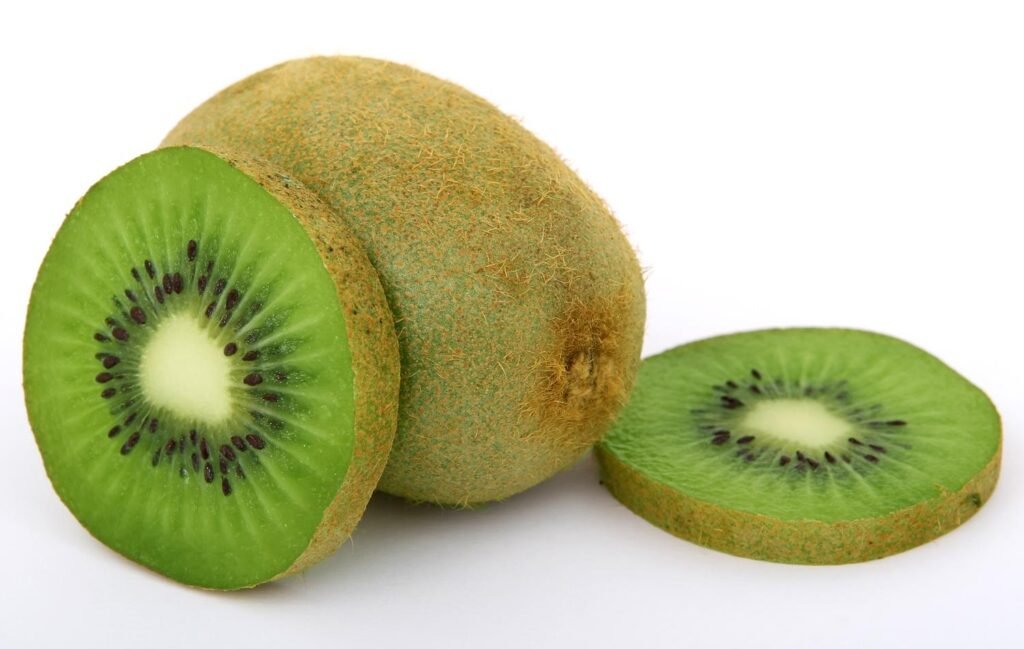
Kiwi fruit, especially the green kiwi (Actinidia deliciosa), is a rich natural source of both soluble and insoluble fiber.
- Insoluble fiber gives bulk to stool and encourages the movement through the intestines, preventing the “backlog” responsible for constipation.
- Soluble fiber draws water in and makes the stool softer and easier to pass.
One medium kiwi provides approximately 2–3 grams of fiber, and a couple of kiwis per day can be a significant addition to the daily recommended amount (approximately 25–30 grams for adults).
2. Contains Actinidin — A Special Digestive Enzyme
Kiwi fruit is rich in actinidin, a natural enzyme that is involved in protein breakdown and can facilitate smoother digestion. This enzyme is thought to stimulate bowel movements by increasing intestinal motility and enhancing nutrient absorption.
3. Rich in Water and Natural Laxative Property
Kiwi consists of close to 80% water, which contributes to softening the stool and maintaining normal bowel movement. Kiwi also has natural sugars such as sorbitol, a weak osmotic agent, which attracts water into the colon, thereby further softening stools.
4. Research Evidence
Kiwi has been identified by numerous studies to alleviate constipation:
- A 2010 clinical trial discovered that adults with constipation who ate two green kiwis a day for four weeks had higher bowel frequency, more palatable stools, and less straining than a control group.
- A 2018 randomized controlled trial with patients diagnosed with IBS-C (Irritable Bowel Syndrome with constipation) demonstrated improved stool consistency and diminished discomfort with daily kiwi intake.
- Gold kiwifruit, while somewhat reduced in fiber, has also demonstrated benefits based on the synergy of its fiber, polyphenols, and prebiotic nature.
These studies indicate that kiwi could be as effective as conventional fiber supplements — but more pleasant-tasting and easier to adapt into daily routines.
Probiotics: Rebalancing in the Gut
1. What Are Probiotics?
Probiotics are live microorganisms — primarily bacteria — that provide health benefits when consumed in sufficient quantities. They are also known as “good” or “friendly” bacteria because they promote a healthy balance in the gut microbiome and enhance digestive efficiency.
Some of the common probiotic strains are:
- Lactobacillus acidophilus
- Bifidobacterium longum
- Lactobacillus rhamnosus
- Bifidobacterium lactis
2. How Probiotics Relieve Constipation
Probiotics relieve constipation through a variety of mechanisms:
- Stimulating gut motility: Certain strains activate the muscles of the colon to contract more efficiently, assisting stool movement.
- Regulating stool consistency: Probiotics enhance the production of short-chain fatty acids (SCFAs) like butyrate, acetate, and propionate — substances that draw water into the colon and make stools softer.
- Suppressing inflammation: By inhibiting aggressive bacteria, probiotics reduce inflammation in the gut, which can disrupt normal bowel function.
- Restoring gut bacteria after antibiotic therapy: Antibiotics typically kill both good and bad bacteria, causing constipation. Probiotics restore balance.
3. Research Evidence
Several clinical trials and meta-analyses have demonstrated that probiotics substantially alleviate symptoms of constipation:
- A 2014 meta-analysis published in the American Journal of Clinical Nutrition concluded that supplementation with probiotics increased bowel movement frequency by approximately 1.3 times per week among individuals with chronic constipation.
- Bifidobacterium lactis DN-173 010 (contained in some yogurts) was also found to decrease intestinal transit time and make stools softer.
- Lactobacillus casei Shirota, which is commonly included in fermented milk beverages, also showed improvements in frequency and ease of passing stools.
While probiotic actions are contingent upon the strain taken and the initial gut microbiota status of an individual, the outcome may be variable.
Kiwi and Probiotics: A Powerful Duo
When combined, kiwi and probiotics may work synergistically to restore healthy digestion.
1. Kiwi Acts as a Prebiotic
The natural fibers and polyphenols in kiwi serve as prebiotics — food for beneficial bacteria. They help probiotics thrive in the gut, increasing their effectiveness.
2. Dual Action for Gut Health
Kiwi improves stool bulk, hydration, and motility.
- Probiotics enhance microbial balance and colon function.
- Together, they create an optimal environment for smoother, more regular bowel movements.
3. Practical Combination
For instance, a breakfast bowl of Greek yogurt (high in probiotics) topped with sliced kiwi provides both prebiotic fiber and live cultures — easy, effortless support for daily digestion.
Tips for Adding Kiwi and Probiotics to Your Diet
- Consume 2 kiwis a day: This is the dose that most studies use for good results. Opt for fresh, ripe green kiwis with the skin if well tolerated (the skin contributes additional fiber).
- Add probiotic foods: Yogurt, kefir, kimchi, sauerkraut, miso, and kombucha contain live cultures and are all good choices.
- Use supplements judiciously: If food is not enough, take probiotic capsules that have proven strains like Bifidobacterium lactis or Lactobacillus rhamnosus.
- Drink plenty of water: Both fiber and probiotics function optimally with proper water intake. Try to have a minimum of 8–10 glasses a day.
- Be consistent: It can take 2–4 weeks for improvements to be noticed, as your bowel habits and gut flora stabilize.
When to See a Doctor?
Although kiwi and probiotics may provide natural relief, sometimes persistent constipation can be a sign of an underlying medical condition. Visit your doctor if:
- You have had constipation for more than 3 weeks.
- You notice blood in your stool or severe abdominal pain.
- You have unexplained weight loss, fatigue, or nausea.
- Over-the-counter medications and changes in diet don’t work.
A physician can exclude significant causes like intestinal blockage, thyroid disease, or colon disease and suggest proper medical or dietary treatment.
Conclusion
Kiwi and probiotics are a soft, natural, and scientifically grounded method to treat chronic constipation. Kiwi adds fiber, enzymes, and moisture, and probiotics restore balance of microbes and gut motility. Both may not only be alleviating constipation but also serve to enhance overall bowel health and well-being.
Adding these easy foods to your regular diet can be a healthy, long-term solution to repeated use of laxatives — a welcome reminder that nature is often the best medicine.
FAQs
-
How many kiwis should I consume for constipation?
A: Approximately 2 kiwis daily have been determined to enhance bowel regularity.
-
How long does a probiotic take to work?
A: Usually, 2–4 weeks of consistent daily intake are required to see effects.
-
Is it okay to consume probiotics and kiwi at the same time?
A: Yes — they enhance each other and can work synergistically to support gut health.
-
Are kiwi supplements of kiwi as good as eating fresh fruit?
A: Fresh kiwi is preferable because it delivers fiber, water, and enzymes simultaneously.
-
When should I consult a doctor?
A: If constipation persists longer than three weeks or is combined with pain, bleeding, or unintended weight loss.