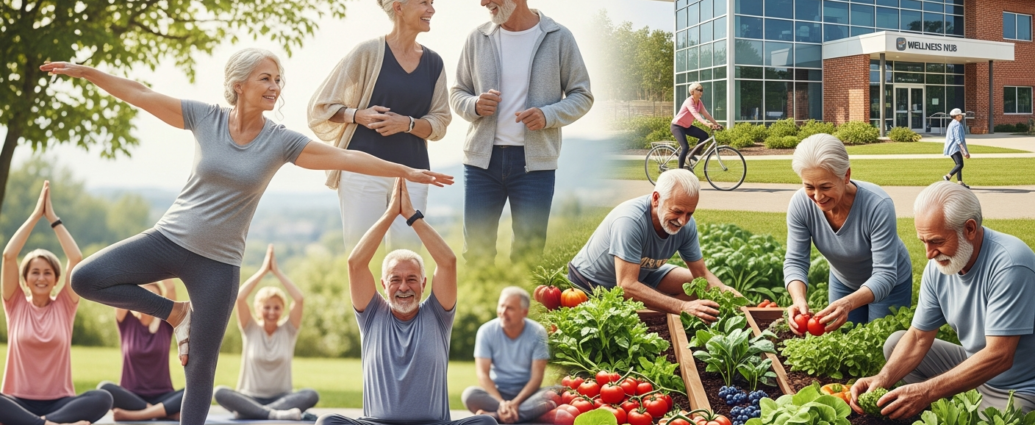
30 seconds summary
- Nutrition and fitness are crucial for healthy aging as they help maintain physical and mental well-being. A balanced diet rich in essential nutrients supports immune function, bone health, and cognitive function.
- Regular physical activity, including strength training and cardiovascular exercise, improves muscle mass, flexibility, and heart health while reducing the risk of chronic diseases like diabetes and heart disease.
- Together, proper nutrition and exercise can enhance mobility, reduce the risk of falls, and improve overall quality of life as we age.
Aging is a universal process, but how gracefully and healthfully we age can vary enormously from person to person. While genetics plays a role, lifestyle factors, especially nutrition and physical activity, are among the most powerful influences on long‑term health and vitality.
Today’s science makes one thing clear: good nutrition combined with regular fitness not only supports physical longevity but also mental, emotional, and social well‑being. Healthy aging isn’t about avoiding age; it’s about thriving at every age. In this process, the best joint support supplements can play a key role in maintaining joint health and flexibility, ensuring mobility as we age.
1. Nutrition: Fueling the Aging Body and Mind
1.1 Why Nutrition Matters As We Age
As we grow older, several changes occur in the body:
- Metabolism slows down
- Digestive efficiency changes
- Muscle mass and bone density decline
- Inflammatory processes can increase
- Skin becomes thinner and less elastic
All of these shifts make nutrition even more essential than in earlier life stages. A balanced diet affects nearly every aspect of aging, including:
- Immune system resilience
- Cognitive health
- Energy levels
- Bone and joint strength
- Body composition
Proper nutrition helps delay the onset and severity of chronic conditions such as heart disease, type 2 diabetes, osteoporosis, and cognitive decline.
1.2 Building a Balanced Eating Pattern
There isn’t a one‑size‑fits‑all diet, but research consistently shows that nutrient‑rich diets support healthy aging:
Whole, Minimally Processed Foods
- Vegetables, fruits, whole grains
- Lean proteins (fish, poultry, legumes)
- Healthy fats (nuts, seeds, olive oil)
- Fermented foods for gut health
These foods provide vitamins, minerals, antioxidants, and fiber, all of which nourish the body and combat oxidative stress (a key driver of aging).
Protein Intake
Protein becomes especially important with age because it supports:
- Muscle preservation
- Immune function
- Tissue repair
Older adults tend to absorb protein less efficiently, so adequate daily intake is vital.
Antioxidants and Anti‑Inflammatory Foods
Foods rich in antioxidants and anti‑inflammatory compounds help reduce chronic inflammation, a major factor in age‑related diseases. Examples include:
- Berries
- Leafy greens
- Tomatoes
- Turmeric
- Nuts
Vitamin C, E, zinc, and selenium are examples of nutrients essential for antioxidant defense.
1.3 Key Nutrients for Healthy Aging
Here’s a short list of nutrients particularly beneficial for aging adults:
Omega‑3 Fatty Acids
Found in fish and flaxseed; supports brain and heart health.
Vitamin D and Calcium
Important for bone strength and fracture prevention.
B‑Vitamins (B6, B12, Folate)
Critical for energy metabolism and nervous system health.
Fiber
Supports digestion and blood sugar balance.
Micronutrient deficiencies, especially vitamin D, B12, iron, magnesium, and calcium, are common in older adults and should be monitored.
2. Fitness: Movement Is Medicine at Any Age
2.1 Why Exercise Is Essential
Staying physically active is one of the most effective strategies for aging well. Exercise slows physical decline, boosts muscle strength, improves balance, aids cardiovascular health, and enhances mood and cognition.
2.2 Types of Exercise for Healthy Aging
2.2.1 Strength Training
As early as our 30s, muscle mass declines at about 3–8% per decade. Strength training:
- Maintains muscle tone
- Improves metabolism
- Supports joint stability
Activities such as resistance bands, free weights, or bodyweight exercises are excellent.
2.2.2 Cardiovascular Activity
Moderate aerobic exercise, such as brisk walking, cycling, and swimming, benefits:
- Heart health
- Lung capacity
- Metabolic function
- Mood regulation
Aim for at least 150 minutes of moderate aerobic activity per week, or 75 minutes of vigorous activity.
2.2.3 Balance and Flexibility
Balance exercises reduce fall risk, a major concern among older adults. Examples:
- Tai Chi
- Yoga
- Simple balance drills (e.g., standing on one foot)
Flexibility work, such as stretches and mobility routines, keeps joints fluid and muscles capable.
2.3 Exercise and Brain Health
Physical activity is linked to neuroprotective effects. Regular exercise:
- Improves blood flow to the brain
- Encourages growth of new neural connections
- Reduces risk of dementia and cognitive decline
Some studies show that combining physical exercise with mental challenges (like dance classes or dual‑task exercises) yields additional benefits.
3. Putting It Together: Lifestyle Habits That Promote Healthy Aging
Here are actionable strategies:
- Eat Colorful, Nutrient‑Dense Meals
Strive for a rainbow plate of bright, diverse foods rich in plant compounds that support cellular health.
- Stay Hydrated
Aging decreases thirst perception, so proactive hydration matters.
- Move Daily
Even light movement, such as walking, gardening, or fun physical hobbies, enhances both health and happiness.
- Prioritize Sleep
Quality sleep influences metabolism, cognitive performance, and recovery.
- Manage Stress
Mindfulness, social connections, and purposeful activities improve emotional well‑being.
4. Joint Support Supplements: What Works?
As joints age, cartilage breaks down more rapidly, and inflammation can increase. Certain Joint Support Supplements may provide support when used wisely. Always discuss with a healthcare professional before starting any supplement.
Key Ingredients Supported by Research
Some of the most studied and commonly recommended joint support ingredients include:
Glucosamine and Chondroitin
These are popular for osteoarthritis relief and support joint cartilage hydration, though evidence is mixed. Some people experience reduced pain and improved mobility.
Curcumin (Turmeric Extract)
A potent natural anti‑inflammatory that may help reduce joint pain and swelling.
Omega‑3 Fatty Acids (Fish Oil)
Known for its anti‑inflammatory effects and potential to ease morning stiffness and discomfort.
MSM (Methylsulfonylmethane)
Often included in joint formulas for stiffness relief and comfort.
Collagen Peptides
Provide amino acid building blocks for connective tissue, and may support flexibility.
These supplements do not replace healthy eating and exercise, but when used as part of a holistic plan, they may offer extra support.
Practical Tip
Look for products that combine ingredients like glucosamine, chondroitin, MSM, turmeric, and collagen. These multi‑ingredient blends often cover more supportive pathways.
5. Face Care Products for Aging Skin
As skin ages, it naturally loses collagen, moisture, and elasticity. The right skincare can help nourish and protect aging skin, reduce the appearance of fine lines, and improve texture.
5.1 Essential Anti‑Aging Ingredients
Dermatologists and skin experts recommend focusing on products with these proven actives:
- Retinol / Retinoids – Boost cell turnover and collagen production.
- Vitamin C (L‑ascorbic acid) – Supports collagen synthesis and brightens skin.
- Peptides – Promote firmness and resilience.
- Hyaluronic Acid – Super‑effective hydration and plumping agent.
- Niacinamide – Reduces inflammation and supports barrier function.
- Ceramides – Maintain the skin’s protective barrier.
6. Suggested Joint Support Supplements
Here are some well‑reviewed products based on expert lists and reviews:
These represent categories of joint supplements that are commonly recommended and cover ingredients like glucosamine, chondroitin, turmeric/curcumin, omega‑3s, and collagen.
Proper selection should consider:
- Your specific joint needs
- Any allergies or sensitivities
- Whether the product has third‑party quality testing
7. Recommended Face Care Products for Aging Skin
Here are a variety of face care products that experts and users find effective:
These products typically include:
- Hydrating moisturizers
- Serums with active ingredients
- SPF‑infused creams
- Barrier‑supporting formulations
Regular daily use, especially combined with sunscreen, yields better long‑term results.
8. Putting It All Together: A Healthy Aging Strategy
Healthy Diet + Regular Exercise
Good food and physical activity are the foundation of aging well. They support:
- Heart, brain, and immune health
Strength, balance, and mobility
Healthy metabolism and body composition
Targeted Supplements
Joint support and skin‑friendly supplements can enhance comfort and appearance when used appropriately.
Skincare Routine
A consistent, evidence‑based skincare regimen that includes hydration, protection, and targeted activities helps preserve skin quality over time.
Holistic Wellness
Remember: a healthy mindset, quality relationships, sleep, and stress management are equally vital components of aging with vitality.
Conlusion
Healthy aging is both an art and a science, a blend of nourishing food, regular movement, smart supplementation, and skin care that evolves with your needs. While time marches on, your habits give you control over how well you age. The goal isn’t just longevity, it’s living with strength, resilience, and confidence at every stage of life.