


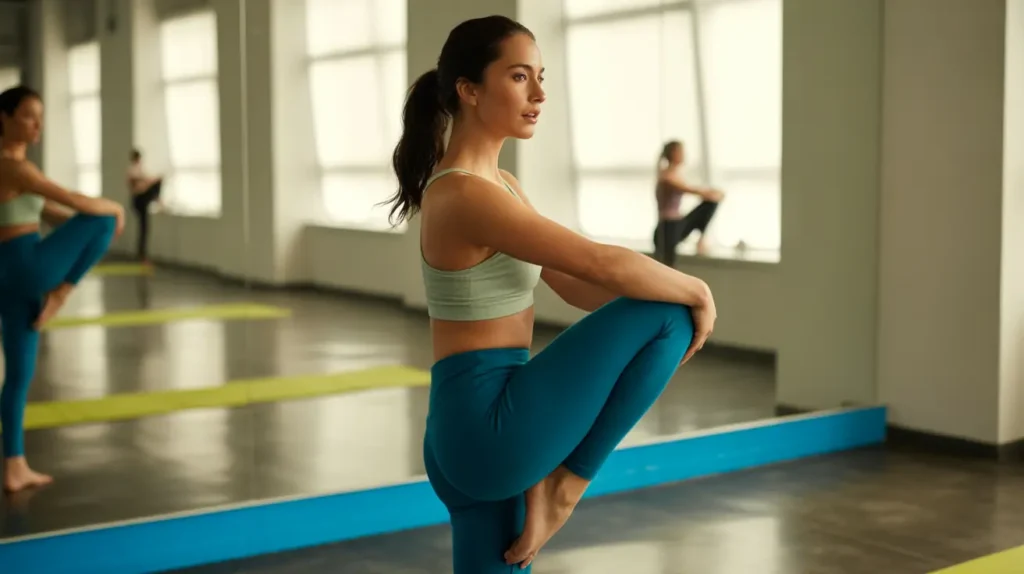
The gluteus medius is one of the most underrated muscles in the human body—yet it is essential for hip stability, proper gait, pelvic alignment, and pain-free movement. When this muscle is tight, weak, or irritated, the entire lower body chain is affected. People often blame their lower back, knee, or hip for pain when the real issue is the gluteus medius quietly struggling under the surface.
Why the Gluteus Medius Matters?
The gluteus medius is located on the outer surface of your pelvis. It stabilizes your hips, supports symmetry in your walking pattern, and ensures your knees don’t collapse inward. When it’s compromised, problems can show up in unexpected places, including:
- Lower back tension
- Difficulty standing on one leg
- Knee pain
- Hip stiffness
- Pelvic imbalance
- Sciatica-like symptoms
- Poor athletic performance
Because it influences multiple areas of the body, maintaining flexibility and mobility in this muscle is critical.
Below are six highly targeted stretches to keep your gluteus medius functioning optimally.
1. Seated Figure-Four Stretch
How to Do It:
- Sit on the floor or a chair with a straight back.
- Cross your right ankle over your left knee.
- Gently press the right knee downward while leaning forward.
- Hold for 30–45 seconds; switch sides.
What It Does:
This stretch powerfully opens the outer hip, directly targeting the gluteus medius and piriformis. It helps reduce stiffness from prolonged sitting—a major cause of hip tightness.
Best For:
- Desk workers
- People with dull hip aches
- Athletes warming up or cooling down
2. Standing Cross-Legged Side Bend Stretch
How to Do It:
- Stand with your feet together and cross your right foot over your left.
- Lean your torso toward the right side.
- Hold onto a wall or chair if needed.
- Feel the stretch along the outer hip of the left leg.
- Hold 30 seconds; switch sides.
What It Does:
This stretch lengthens the gluteus medius through lateral bending, releasing tension that contributes to imbalance, tightness, and gait issues.
Best For:
- Runners
- People with IT band tightness
- Anyone who walks long distances
3. Supine Glute Stretch (Knee-to-Chest Variation)
How to Do It:
- Lie on your back with both legs extended.
- Pull your right knee toward your opposite shoulder.
- Hold 30–45 seconds and switch sides.
What It Does:
This isolates the upper fibers of the gluteus medius, which often become stiff from poor posture or overuse.
Best For:
- People with sciatic irritation
- Lower back tension
- Hip stiffness after workouts
4. Pigeon Pose (Modified or Full)
How to Do It:
- Begin on hands and knees.
- Bring your right knee forward toward your right wrist.
- Slide the left leg back, keeping hips square.
- Lean forward for a deeper stretch.
- Hold 30–60 seconds; switch sides.
What It Does:
Pigeon pose stretches deep gluteal muscles, including the medius, maximus, and piriformis. It provides the deepest outer hip opening of all the stretches.
Best For:
- Yoga practitioners
- People with chronic hip tightness
- Runners and cyclists
5. Side-Lying Pretzel Stretch
How to Do It:
- Lie on your right side.
- Bend your top (left) leg and place your left foot behind your right knee.
- Gently twist your torso to stretch the outer hip.
- Hold 30–45 seconds; repeat on the other side.
What It Does:
This stretch releases tension across both the gluteus medius and IT band. The twisting motion improves mobility throughout the hip joint.
Best For:
- People with tight hips from running
- Hip imbalance issues
- Those with lower back discomfort
6. Hip External Rotation Stretch (90/90 Position)
How to Do It:
- Sit on the floor with knees bent.
- Rotate your right leg forward so the shin is parallel to your chest.
- Rotate your left leg behind you at a 90-degree angle.
- Lean forward over the front leg.
- Hold 45 seconds; switch sides.
What It Does:
The 90/90 stretch isolates each hip independently, improving external rotation and flexibility—a must for athletes or individuals with mobility limitations.
Best For:
- Martial artists
- Gym-goers
- People with tight hips from daily activities
When to See a Doctor: Warning Signs You Shouldn’t Ignore
While mild tightness and soreness are normal, certain symptoms indicate potentially serious conditions such as:
- Hip labral tear
- Bursitis
- Tendinopathy
- Inflammation of the gluteal tendons
- Sciatic nerve impingement
Seek professional evaluation if you notice:
1. Sharp, stabbing hip pain that persists for more than one week
This may indicate soft tissue damage or nerve-related issues.
2. Pain that radiates down the leg
Often associated with nerve compression, not just muscle tightness.
3. Visible swelling or warmth around the hip
Swelling suggests inflammation or infection and should never be ignored.
4. Difficulty bearing weight or walking
This can signal structural hip issues or severe gluteus medius weakness.
5. Hip or knee pain that worsens with daily activities
The gluteus medius stabilizes the knees; dysfunction can cause pain while climbing stairs or standing.
6. Clicking, locking, or catching sensations in the hip joint
These symptoms suggest possible labral involvement.
7. Pain affecting sleep or causing nighttime disturbance
Persistent night pain can indicate inflammation or injury requiring medical attention.
8. Numbness, tingling, or burning in the hip/gluteal area
Nerve irritation should be evaluated immediately.
If symptoms intensify or fail to improve with stretching, rest, and mobility work, seek care from a physiotherapist, orthopedist, or sports medicine specialist.
Effective Points About Gluteus Medius Care:
1. The gluteus medius is essential for hip stability
It keeps the pelvis level and prevents knee collapse while walking or running.
2. Stretching improves mobility and reduces chronic pain
Consistent stretching relieves tension from prolonged sitting and incorrect posture.
3. Weak gluteus medius contributes to lower back and knee pain
Strengthening and stretching this muscle prevents compensatory strain.
4. Tight hips can restrict athletic performance
Mobility enhances speed, agility, and injury prevention.
5. Stretching reduces the risk of overuse injuries
Especially common in runners, cyclists, and athletes who rely heavily on hip rotation.
6. Good hip flexibility supports balance and stability
Vital for seniors, office workers, and athletes alike.
7. Improving gluteus medius mobility enhances posture
Balanced hips keep the spine aligned and reduce muscular asymmetry.
8. Stretching is safe for all ages and fitness levels
Modifications like seated or supported versions make the stretches inclusive for everyone.
Conclusion
The gluteus medius plays a crucial role in stabilizing the hips, supporting the spine, and ensuring smooth, pain-free movement. When it tightens or weakens, the effects ripple through the body, leading to discomfort and mobility issues. Incorporating the six essential stretches into your routine enhances flexibility, prevents injuries, and restores balance. However, persistent or sharp pain is a signal to seek medical advice. By understanding and caring for this powerful muscle, you can unlock better posture, stronger movement, and long-term hip health.
FAQS
-
What causes tightness in the gluteus medius?
Common causes include prolonged sitting, poor posture, repetitive movements, overtraining, and muscular imbalances.
-
How often should I stretch the gluteus medius?
For best results, stretch 4–5 times per week, holding each stretch for 30–60 seconds.
-
Is stretching enough to fix gluteus medius pain?
Stretching helps, but strengthening exercises (like clamshells, hip abductions, and bridges) are also essential.
-
Can gluteus medius tightness cause lower back pain?
Yes. Tight or weak gluteus medius muscles force the lower back to compensate, leading to pain and stiffness.
-
Should I stretch before or after exercise?
Use light stretching as a warm-up and deeper stretching during the cool-down for maximum benefit.
-
Can stretching the gluteus medius relieve sciatica symptoms?
It may help if the sciatic irritation is caused by tight hip muscles, but always consult a professional for radiating pain.
-
How do I know if my gluteus medius is weak?
Common signs include hip drop while walking, knee collapsing inward during squats, and difficulty balancing on one leg.
-
Does age affect the gluteus medius?
Yes. Aging reduces flexibility and muscle strength, making stretching even more important.
-
What activities make this muscle tight?
Running, cycling, sitting long hours, carrying heavy loads on one side, and sleeping in a curled position.
-
Can tight gluteus medius cause knee pain?
Absolutely. Poor hip stability due to dysfunction often leads to increased pressure on the knee joint.