


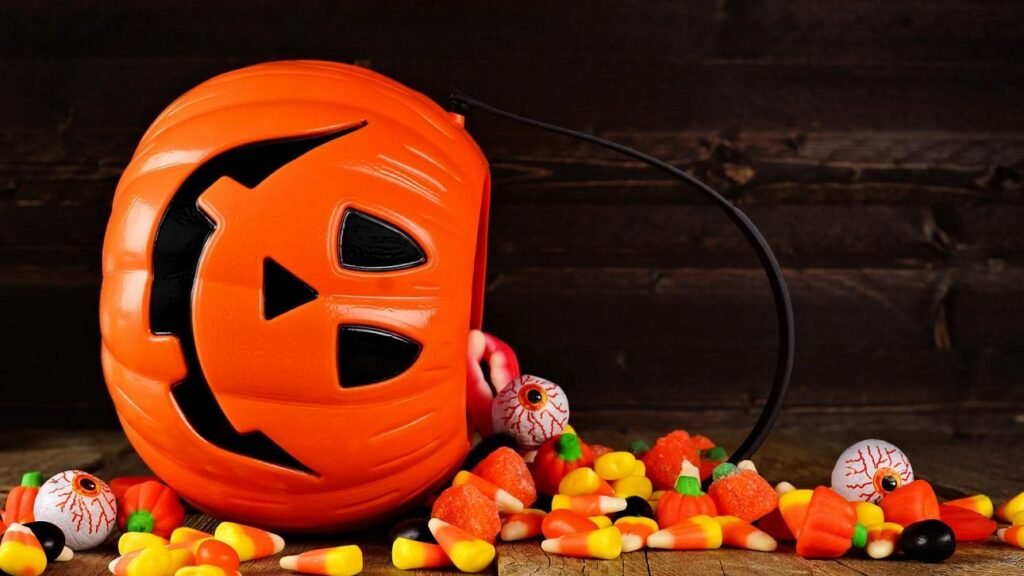
Halloween is all about spooky fun, creative costumes, and, of course, candy. But while your taste buds may love the sweet treats, your teeth might not share the enthusiasm. Halloween candy can be a nightmare for your dental health, especially those types that cling to your teeth, bathe them in sugar, or wear down your enamel.
Sugar itself isn’t the villain; it’s what the bacteria in your mouth do with it. They feed on sugar, producing acids that erode tooth enamel and cause cavities. The longer sugar stays on your teeth, the greater the damage.
1. Sticky Caramels and Toffees
Caramels, including Milk Duds and Sugar Daddies, along with their chewy toffees, may be delicious but are basically a dentist’s worst nightmare.
Why they’re bad:
Sticky candies stick to your teeth, lodging themselves in crevices and between molars. The sugar lingers a long time after the candy’s gone, giving bacteria more time to produce cavity-causing acids. If you have fillings or braces, caramel can also pull or damage these.
Better choice:
Soft chocolates or sugar-free caramels that dissolve quickly.
2. Gummy Bears and Jelly Candies
These chewy treats seem harmless, but they are one of the worst offenders.
Why they’re bad:
Gummies also stick tenaciously to teeth, particularly between them, and are loaded with sugar and gelatin. Some “sour gummies” are double trouble – sticky and acidic. That combination softens enamel and hastens decay.
Better choice:
Fresh fruit snacks or sugar-free gummies made from xylitol.
3. Hard Candies – Lollipops, Jawbreakers, Butterscotch Discs
Hard candies might seem safe because they take time to dissolve, but that is precisely the problem.
Why they’re bad:
They bathe your teeth in sugar for extended lengths of time. In addition, biting down on hard candies can crack teeth or dental work.
Better choice:
Sugar-free lollipops or hard candies sweetened with xylitol
4. Sour candies
Warheads, Sour Patch Kids, and other sour candies may make your face pucker, but your teeth are cringing, too.
Why they’re bad:
Sour candies contain citric acid that weakens enamel. When combined with sugar, they’re a recipe for cavities. Even brushing right after eating them can make things worse, since your enamel is temporarily softened.
Better option:
If it’s the sourness you’re after, rinse your mouth out with water immediately after consumption — or try sour fruits like strawberries instead.
5. Taffy
Stretchy, chewy, and loaded with sugar, taffy is practically engineered to cause cavities.
Why they’re bad:
Taffy clings tenaciously to enamel and can take hours to dissolve from the surface of the tooth. It’s particularly bad for children wearing braces or with dental fillings.
Better option:
Soft chocolate that is easy to melt; sugar-free mints.
6. Candy Corn
This Halloween candy may look festive, but it’s pure sugar with no redeeming ingredients.
Why they’re bad:
Candy corn’s high sugar content and waxy texture let it cling to teeth and feed bacteria. Its sticky residue can linger long after you finish chewing.
Better option:
Lightly sweetened popcorn balls or nuts covered in dark chocolate.
7. Chocolate-Covered Caramel Bars (like Snickers or Milky Way)
Chocolate in and of itself is not that bad for teeth; it melts quickly and may even contain protective compounds. But mix it with sticky caramel and nougat, and it’s trouble.
Why they’re bad:
The caramel part gets stuck to teeth, and the sugar and fat combine to coat your enamel with a sugary film.
Better choice:
Dark chocolate (70% or more cocoa) has less sugar and adheres to your teeth less easily.
8. Dried Fruit Snacks and Fruit Roll-Ups
Many parents think that these are healthier alternatives to candies, but in reality, they are almost as sugary and sticky.
Why they’re bad:
Dried fruits like raisins and fruit leathers are concentrated sources of sugar and have a gummy texture that sticks to teeth. Even though they are “natural,” they can be just as harmful as candy.
Instead, reach for fruits like apples that clean your teeth naturally while chewing.
9. Popcorn Balls and Caramel Popcorn
These crunchy, sticky treats can do more harm than good.
Why they’re bad:
Caramel popcorn is the combination of sugar, butter, and stickiness, which is a dangerous combination for teeth. Hard kernels can also crack teeth or lodge between them, creating spaces for bacteria to grow.
Better option:
Plain or very lightly salted popcorn, without sweet coatings.
10. Powdered Sugar Candies (Pixy Stix, Fun Dip)
These are pure, concentrated sugar — no fats, no fibers, nothing to slow down their impact.
Why they’re bad:
When you pour these right onto your tongue, they instantly coat your teeth and spike acid levels in your mouth. That acid can start eroding enamel in just minutes.
Better choice:
Sugar-free gum to stimulate saliva production and neutralize acids.
Why Sugar Hurts Your Teeth?
To understand why these candies are so harmful, it helps to know what’s happening in your mouth.
Every time you eat sugar, bacteria in your mouth feed on it and release acid as a byproduct. This acid attacks your tooth enamel for about 20 minutes after you finish eating. If you snack frequently, your mouth stays in a constant acid state, weakening enamel and paving the way for cavities.
Since sticky or long-lasting candies keep sugar in contact with teeth much longer, they are considered the worst.
Tips to Protect Your Teeth This Halloween:
You don’t have to give up all the candy to protect your smile-just be strategic. Here are a few tips for enjoying treats safely:
- Choose candies that dissolve quickly:
Chocolate is better than sticky, chewy candies.
- Try to avoid grazing all day:
Consume candy in a single sitting rather than over the course of the day; this limits acid exposure.
- Drink plenty of water:
After sweets, always rinse your mouth to remove the sugars and acids.
- Chew sugar-free gum:
Gum containing xylitol stimulates saliva, which neutralizes acid.
- Brush and floss afterwards:
If you’ve had sour or acidic candies, wait about 30 minutes before brushing.
- Pair sweets with meals:
Saliva flow is higher during meals, reducing sugar’s impact.
- See your dentist regularly:
A quick check-up after the Halloween season can help catch early signs of decay.
Moderation Is the Real Treat
It’s okay to enjoy a few treats-a little candy now and again is no big deal, it’s all about moderation and timing. Enjoy a little at one time, rather than having your candy stash last a couple of weeks; then brush or rinse thoroughly afterward.
If you have kids, help them sort their candy and keep the worst offenders — like caramels, gummies, and hard candies — to a minimum. Instead, encourage them to pick chocolate-based candies, and then reward them for making good choices with fun, non-candy treats like stickers or toys.
Conclusion
Halloween candy doesn’t have to be a disaster for your teeth. The real culprits are candies that are sticky, acidic, or last a long time in the mouth, so they expose teeth to sugar for longer periods. By making smarter choices-such as choosing dark chocolate, snacking less, and continuing good oral hygiene-you can enjoy Halloween without a fright from your dentist.
Remember: It’s not about skipping the fun — it’s about keeping that smile glowing well after Halloween is a thing of the past.
FAQs
-
Which candy is the least harmful for teeth?
A: Dark chocolate is so easy to melt and contains less sugar.
-
Why are sour candies so bad?
A: They combine acid with sugar, which deteriorates enamel more rapidly.
-
Does brushing immediately after eating candy hurt enamel?
A: Yes, wait about 30 minutes if the candy was sour or acidic.
-
How can I protect my teeth after eating candy?
A: Rinse with water, chew sugar-free gum, and brush later.
-
Are sugar-free candies safe?
A: Mostly yes, especially those with xylitol, which fights bacteria.