


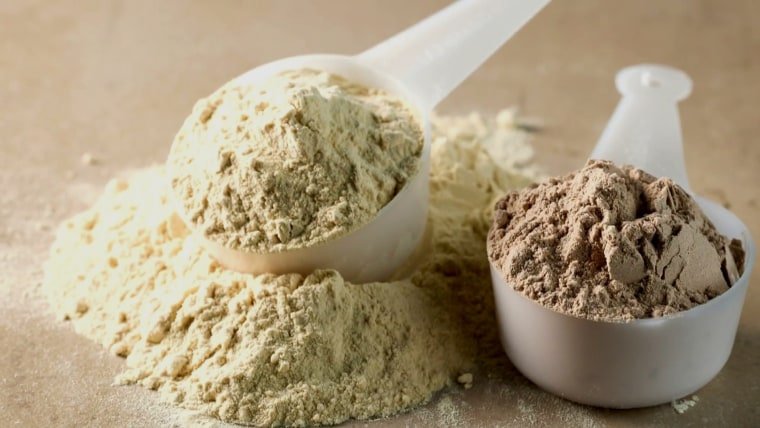
Protein powders have for a long time been viewed as an efficient shortcut to better health-a quick way of building up muscle, recovering quickly, and reaching one’s nutrition goals. They’re a staple in gyms, sports routines, and even breakfast smoothies. However, a growing body of research has unearthed the alarming truth that many of these so-called health boosters may actually contain hazardous heavy metals, particularly lead.
Recent reports by consumer advocacy groups showed that a number of popular protein powders and ready-to-drink shakes contain alarmingly high levels of lead, alongside other toxic substances like arsenic and cadmium. What was once a symbol of fitness and wellness may now pose potential long-term health risks.
The Alarming Findings: What the Reports Reveal
A new investigation by two highly regarded US-based consumer advocacy organizations, Consumer Reports and the Clean Label Project, has sent shockwaves through the supplement industry.
Consumer Reports Findings
In 2025, Consumer Reports tested 23 popular protein powders and shakes – everything from plant-based to whey-based products. The findings were startling – more than two-thirds contained measurable amounts of lead, with several exceeding CR’s “level of concern.”
Among the highlights were the following:
- Naked Nutrition’s Vegan Mass Gainer had 7.7 micrograms (µg) of lead per serving, a concentration more than 15 times greater than CR’s safety threshold of 0.5 µg.
- Another popular meal replacement powder, Huel Black Edition, was found to have 6.3 µg of lead per serving – also well above safe limits.
- Even well-known brands marketed as clean or organic were not exempt from contamination.
Emphasizing that these findings are not an isolated incident, CR’s scientists said heavy-metal contamination has been found in protein supplements for years, but recent testing shows the problem may be getting worse as plant-based products are becoming more popular.
Clean Label Project Findings
A more extensive study by the Clean Label Project of 160 protein powders from 70 brands revealed:
- 75% of the tested powders contained measurable levels of lead.
- Organic and plant-based powders were more likely to test higher than non-organic or whey-based powders.
- Chocolate flavorings contained as much as four times as much lead as vanilla flavorings, probably because of contamination of the cocoa.
Shockingly, some products marketed as “superfoods” or “all-natural” had the highest levels of lead, which indicates that even “healthier” branding does not guarantee safety.
Why Lead in Protein Powders Is Dangerous
Lead is a toxic heavy metal for which no safe level of exposure has been identified. Even in small amounts, it can accumulate in the body over time, causing serious health problems. As stated by the U.S. Centers for Disease Control and Prevention, “No safe blood lead level has been identified.”
Short- and Long-Term Effects
Prolonged exposure to lead can affect nearly every organ system of the human body. Among the most serious effects are the following:
- Neurological damage: Lead interferes with normal brain development and function, especially in children and pregnant women.
- Cardiovascular effects include hypertension and heart disease among those who are chronically exposed to it.
- Kidney damage: The kidneys are the major filters of toxins, and long-term exposure to lead may eventually cause an impairment in kidney performance.
- Reproductive harm: In both men and women, lead can reduce fertility and cause developmental harm in unborn babies.
- Fatigue and joint pains: symptoms like tiredness, irritability, and joint aches may arise with long-term, low-level exposure.
Because protein powders are often taken daily, or sometimes more than once a day, even modest levels of lead can add up over time to create a cumulative toxic effect.
How Does Lead Get Into Protein Powders?
The presence of lead in protein powders is not always intentional; more often, it is a by-product of how or where the ingredients are grown or processed. The points of contamination are usually along one of several main pathways:
- Soil Absorption:
Plants naturally absorb minerals and metals from soil. In the case of soil contamination, usually through industrial pollution, fertilizers, or water runoff, plants such as peas, rice, and hemp can absorb lead, arsenic, and cadmium during growth. Plant-based protein powders are particularly susceptible because they rely so heavily on those same crops.
- Manufacturing Contamination:
The production process can also introduce contaminants. The metal machinery, packaging, or low-quality raw materials used during manufacturing sometimes allow lead to leach into the products.
- Flavor Ingredients:
Chocolate, cocoa, and even some natural sweeteners can come from regions with lead-contaminated soil or water. These ingredients may significantly raise the metal content of the final product.
- Lack of Strict Regulation:
The dietary supplement industry is not as rigorously regulated in many countries compared to either food or medicine. For instance, the FDA does not require that firms prove safety or purity before sale in the United States. This allows contaminated powders to get to consumers without rigorous testing.
Which Protein Powders Are Most at Risk?
There seems to be some variability in contamination risk depending on type and source of protein powder.
- Plant-Based Powders (High Risk):
Powders made from peas, hemp, rice, or soy commonly have the highest lead levels. Plant-based options were found to contain three times more lead than whey-based ones by the Clean Label Project.
- Organic Powders:
However, the surprising thing was that organic powders had higher contamination than non-organic powders, possibly because of the natural composition of the soil and without using synthetic filtering agents in production.
- Chocolate Flavors:
Cocoa naturally contains trace metals from the soil it’s grown in. As a result, chocolate-flavored protein powders had nearly four times more lead than vanilla flavors.
- Whey and Dairy-Based Powders (Lower Risk):
Whey and casein powders made from milk had the lowest contamination rates. Cows’ feed and controlled dairy environments often present less heavy-metal exposure than crops grown in open fields.
Interpreting the Numbers: What Counts as “High” Lead?
Consumer Reports considers 0.5 micrograms (µg) of lead per day as the “level of concern” for supplements. But some protein powders contained over 10 times that amount per serving.
Although the FDA has not established a limit for lead in protein powders, it does provide limits for other foods; for example:
- 2 µg per day for bottled water
- 5 µg per day for candy consumed by children
By those standards, several protein powders exceeded what would be considered acceptable levels for everyday consumption.
Even though these exposures may appear minor, lead builds up in the body over time. The daily protein shakes can then become a source of chronic exposure, especially if one has been taking many servings a day.
Industry Responds
The reports have been opposed by some companies, which said:
- The levels found are within “naturally occurring” limits.
- The tests utilize overly strict standards such as California’s Proposition 65.
- The data has a lack of context on total diet exposure.
Yet, independent health experts are in general agreement that any avoidable lead exposure should be prevented, especially when safer options are available.
The reports have already pressured some brands to release third-party lab results or to reformulate their products to reduce contamination. Others now display certifications such as NSF Certified for Sport or USP Verified, which test for heavy metals and other contaminants.
How to Protect Yourself:
If you use protein powders regularly, here’s how to stay safe without giving up your fitness goals:
1. Test from Third Parties
Opt for products that are independently lab-certified for:
- NSF Certified for Sport
- Informed Choice
- USP Verified
These certifications ensure the product has been tested for contaminants including heavy metals.
2. Choose Brands You Trust
In general, brands that publish detailed ingredient sourcing and heavy-metal test results are more reliable. Transparency is key. Avoid companies that hide behind vague claims like “clean” or “natural.
3. Limit Daily Usage
No matter how great your protein powder may be, do not rely on it too much. Consume only one serving a day and get most of your proteins from whole foods like eggs, lean meats, fish, dairy, lentils, and beans.
4. Opt for Whey or Collagen over Plant-Based Powders
While plant-based options are great for vegans, they tend to carry higher levels of lead. If possible, switch to whey, casein, or collagen-based proteins, which usually test cleaner.
5. Steer clear of chocolate flavors
Whenever possible, select unflavored or vanilla protein powders. Cocoa powder frequently contains trace lead due to soil contamination in the regions where it’s grown.
6. Check Serving Size and Frequency
If you are having several every day, you’re compounding your exposure. Consider altering brands or reducing the serving size to minimize accumulation.
7. Stay Informed
Reports published by such organizations as Consumer Reports are one resource to pay attention to, in addition to the Clean Label Project and the EWG. Product contamination levels can change as manufacturers adjust their formulas.
The Bigger Picture: A Call for Better Regulation
The lead contamination issue points toward a broader problem: the lack of regulation in the supplement industry. Unlike prescription drugs, supplements don’t need FDA approval before hitting store shelves. Manufacturers are responsible for ensuring product safety — a system based on trust rather than verification.
Experts say the dietary supplement market needs to be subject to mandatory heavy-metal testing, with clear labeling requirements similar to what’s required for foods and baby products. Until that happens, it is up to consumers to research and pick their supplements wisely.
Conclusion
Protein powders promise strength, energy, and better health — but many may also deliver an invisible threat: lead contamination. The latest findings are a reminder that just because something is labeled “clean,” “organic,” or “natural” doesn’t automatically make it safe.
While the occasional use of protein powder is unlikely to cause immediate harm, even small long-term exposure to lead due to regular use can eventually lead to serious health consequences. Consumers must remain knowledgeable, request details, and focus on products that have been tested by reputable third-party organizations.
When it comes to fitness, true strength doesn’t come from shortcuts; true strength comes from smart, informed choices. A shake may fuel your next workout, but make sure it’s not quietly poisoning your health in the process.
FAQs
Q. Why is there lead in protein powders?
A: Contamination of plant-based ingredients with lead occurs through their contact with contaminated soil, water, and manufacturing equipment.
Q. Which types of protein powders are safest?
A: Whey and collagen-based powders usually have the lowest lead content compared to plant-based powders.
Q. Are organic protein powders safer?
A: Not necessarily, because some organic powders even have higher levels of lead due to natural soil contamination.
Q. Can I still use protein shakes safely?
A: Yes, but choose third-party tested brands, and limit daily use.
Q. How can I know if my protein powder is safe?
A: Check if it’s NSF or USP certified and request recent heavy-metal test results from the brand.